What Should You Look for When Choosing Period Swimwear?
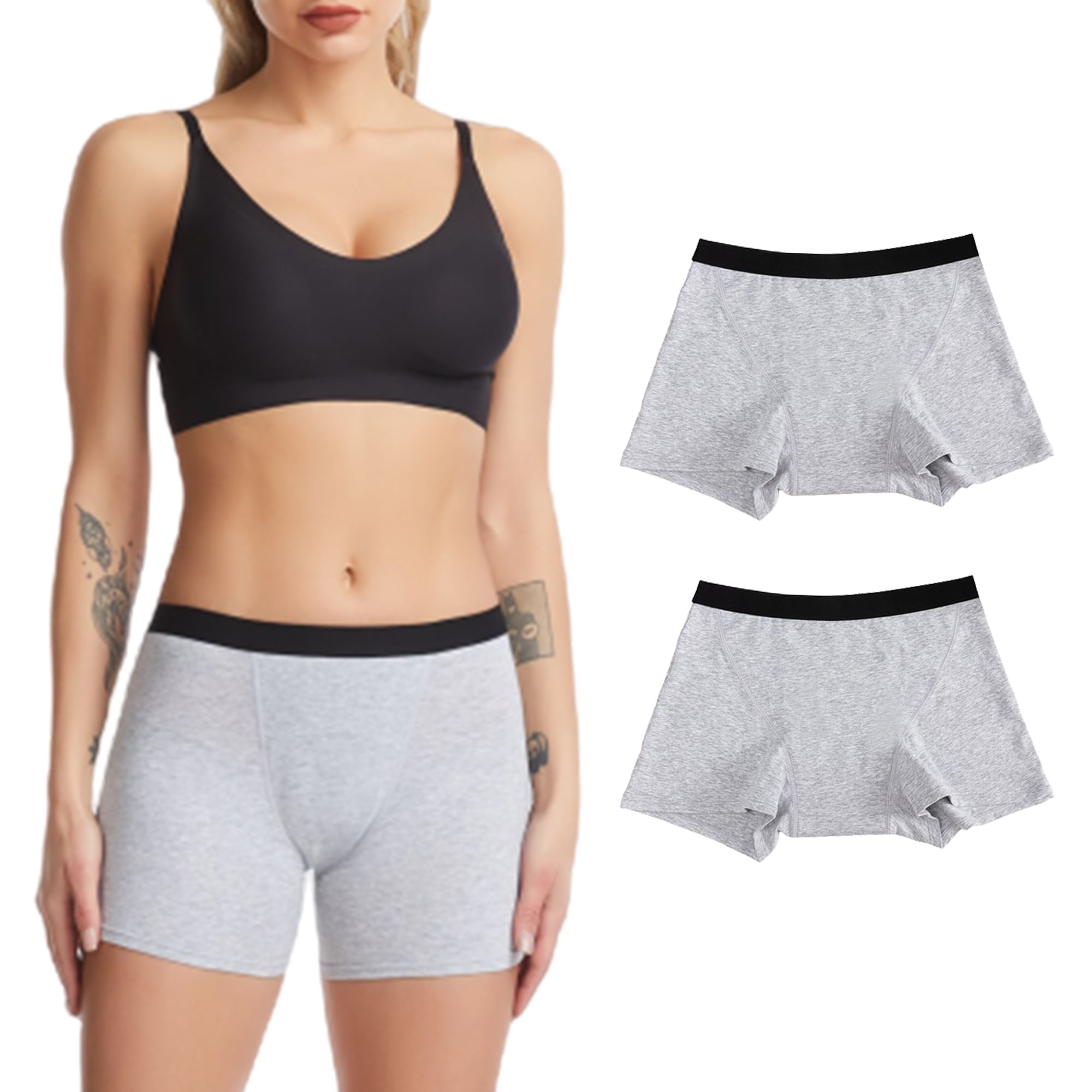
Choose period swimwear by checking absorbency, gusset coverage, fit, fabric recovery, drying time, chlorine resistance, care instructions, and whether the garment is intended for standalone use. NHS guidance says menstrual bleeding commonly totals about 20–90 mL per period and is usually heaviest during the first 2 days, so one absorbency level will not suit every day of a cycle. FDA tampon standards provide another useful comparison: Regular covers 6–9 g, Super 9–12 g, and Super Plus 12–15 g of absorbency. A swimsuit should state measurable capacity or a clear flow range rather than rely only on “leakproof” wording.
Start with your own flow rather than the swimsuit style. ACOG notes an average menstrual blood loss of about 30 mL per cycle in older clinical references, while losses above 80 mL have historically been associated with heavy bleeding. Current ACOG definitions focus more on whether bleeding interferes with normal physical or social life because most people cannot measure menstrual blood accurately at home. Bleeding that requires changing menstrual products every 1–2 hours, especially for more than 7 days, deserves medical attention rather than simply moving to a higher-capacity swimsuit.
That range explains why absorbency labels need close reading. “Light,” “moderate,” and “heavy” are not universally standardized for period swimwear, so two brands may use the same word for different capacities. FDA rules for tampons are much more specific: Light is 6 g or less, Regular is over 6 g through 9 g, Super is over 9 g through 12 g, Super Plus is over 12 g through 15 g, and Ultra is over 15 g through 18 g. Period swimwear does not automatically follow those FDA ranges, but the figures give shoppers a familiar scale for judging manufacturer claims.
| What to check | More useful information | Less useful information |
|---|---|---|
| Absorbency | mL, grams, or stated flow level | “Maximum protection” |
| Intended use | Standalone or backup | “All-day confidence” |
| Gusset | Length, width, layers | “Advanced technology” |
| Fit | Waist/hip chart in cm or inches | S/M/L without measurements |
| Care | Wash temperature and drying method | “Easy care” |
| Pool use | Chlorine-use guidance | “Made for water” |
Once capacity is suitable, inspect where that capacity sits. Period swimwear normally uses a layered gusset rather than making the whole garment absorbent. The skin-facing layer transfers fluid, an absorbent section stores it, and a leak-resistant layer helps stop fluid reaching the outer swimsuit. A narrow absorbent pad may work while standing but provide less margin when kicking, diving, sitting cross-legged, or climbing out of a pool. Coverage extending farther toward the front and rear is therefore worth checking in product diagrams.
Thickness alone does not tell you how much a swimsuit can hold. Fiber type, fabric density, layer area, stitching, and the way the layers handle water all affect performance.
Fit comes next because absorbency cannot help much when menstrual fluid moves around the gusset instead of into it. The crotch should remain close to the body, while leg openings should sit flat without gaps during walking, squatting, and swimming. A swimsuit that looks secure when dry can loosen after entering water, especially if the outer fabric has poor recovery. Use the manufacturer’s waist and hip measurements rather than buying one size smaller for extra compression. Too much tension can pull the gusset away from its intended position and shorten elastic life.
The same sizing check matters for teenagers. ACOG reported in its 2019 guidance that bleeding disorders occur in about 1–2% of the general population, but are found in roughly 20% of adolescent girls evaluated for heavy menstrual bleeding and 33% of those hospitalized for it. A teenager soaking through protection unusually fast may need clinical assessment, not simply tighter or more absorbent swimwear. Period products can manage fluid; they cannot diagnose why bleeding is unusually heavy.
After fit, look at the outer textile. Swimwear commonly combines a durable synthetic fiber such as polyester or nylon with a smaller proportion of elastane for stretch. The exact percentages vary, so read the fiber label instead of assuming one blend is better. Frequent pool swimmers should give extra weight to chlorine-use instructions because chlorine, repeated stretching, sunscreen, heat, and drying can gradually change elasticity. A leg opening that becomes loose after repeated wear changes more than appearance; it can also reduce contact between the absorbent area and the body.
Construction around the leg and crotch deserves the same attention. Flat seams generally create less rubbing than thick seam allowances during long swimming sessions, while firm stitching around the gusset helps keep multiple layers aligned. Product photography should show the inside of the garment. If a retailer provides only front-facing model images and no gusset dimensions, absorbency figure, inner view, or care details, there is little information available for comparing performance.
Water behavior also needs realistic expectations. A period swimsuit cannot behave like a sealed plastic pouch because it still has to stretch, move, and remain wearable. Its layers are designed to manage menstrual fluid while limiting how much surrounding water stays in the absorbent area. Performance can therefore differ between a 15-minute dip and several hours alternating between swimming and sitting on land. A user with moderate flow may be comfortable during a short session but need a change sooner during a full beach day.
That difference is especially noticeable after leaving the water. Pressure and water movement can temporarily affect how menstrual flow is noticed while swimming, but the body continues menstruating. Once standing, walking, or sitting on a towel, the garment has to manage flow without the surrounding water. For that reason, evaluate the swimsuit as both a menstrual product and ordinary clothing worn wet for a period of time.
Drying speed then becomes more important. A standard swimsuit may contain one or two fabric layers over much of the body, while period swimwear adds absorbent and leak-resistant material in the crotch. More layers can retain more moisture after rinsing. Someone swimming once during a vacation may manage with one garment, while a person training 3–5 times per week will usually find two pairs more practical because one can dry completely while the other is being worn.
Care instructions can also affect how long those layers keep working. Follow the manufacturer’s wash temperature, detergent, and drying instructions rather than treating the garment exactly like ordinary underwear. Heat can affect elastane and some laminated barriers, while fabric softener may leave residues on textiles designed to move moisture. Many brands advise cool rinsing, gentle washing, and air drying, although instructions are not identical across manufacturers. Check the label before purchase if you need a swimsuit that can be washed frequently.
Product descriptions should also state whether the garment is intended to replace another menstrual product. Some swim bottoms are sold for light or moderate flow on their own; others are presented as backup for a tampon or menstrual cup. Those are different uses. FDA guidance published in 2025 stresses measurable performance and clear absorbency labeling for menstrual products, illustrating why capacity statements are more informative than broad marketing language.
The comparison with tampons also helps when a swimwear brand gives “tampon equivalents.” Under FDA ranges, a Regular tampon absorbs over 6 g and up to 9 g, while a Super absorbs over 9 g and up to 12 g. A claim such as “holds two tampons” is incomplete unless the manufacturer explains which tampon absorbency it uses for the comparison. Two Light tampons and two Super Plus tampons represent very different quantities.
Comfort during wear should be assessed separately from capacity. A larger absorbent area may provide more coverage but can also feel warmer on land. A very thin gusset may feel closer to standard swimwear but may offer less storage. High-waisted bottoms can provide more body coverage, bikini cuts expose more of the hip, and swim shorts can reduce rubbing during paddleboarding or beach sports. Lap swimmers may prefer a close one-piece because fewer edges can shift during repeated turns.
Opacity is another practical check. Pale colors can become more revealing when wet and stretched, especially across areas without full lining. Hold the dry fabric against light and stretch it gently before use, then test the swimsuit at home if privacy is important. Prints and darker fabrics generally show less contrast from wetness, seams, and layered gusset construction, although color does not change absorbency.
People moving from period panties to swimwear should not assume the products work in exactly the same environment. Everyday menstrual underwear mainly manages menstrual fluid and normal body moisture, whereas swimwear repeatedly meets chlorinated or salt water and must maintain a close fit while saturated on the outside. The gusset structure, outer fabric, elastic recovery, and drying requirements therefore deserve separate evaluation even when both products come from the same brand.
Before buying, compare at least the waist measurement, hip measurement, absorbency figure, gusset coverage, outer-fabric composition, lining, washing temperature, drying method, and stated use. ACOG describes normal uterine bleeding as generally lasting up to 8 days with cycles usually occurring every 24–38 days, while NHS guidance gives a broader typical blood-loss range of about 20–90 mL. Those figures explain why a single swimsuit specification cannot represent every body or every day of a period.
If bleeding regularly lasts beyond 7 days, requires changing protection every 1–2 hours, or disrupts normal daily activity, choosing higher absorbency should not replace medical advice. ACOG has used those patterns when discussing excessive menstrual bleeding, and its 2019 guidance recommends evaluation for anemia and possible bleeding disorders in adolescents presenting with heavy menstrual bleeding. Swimwear selection belongs on the clothing side of the problem; unusually heavy menstrual loss belongs on the healthcare side.